Can Dogs Eat Bananas? A Vet-Reviewed Guide to Safe Feeding, Portions, and Risks
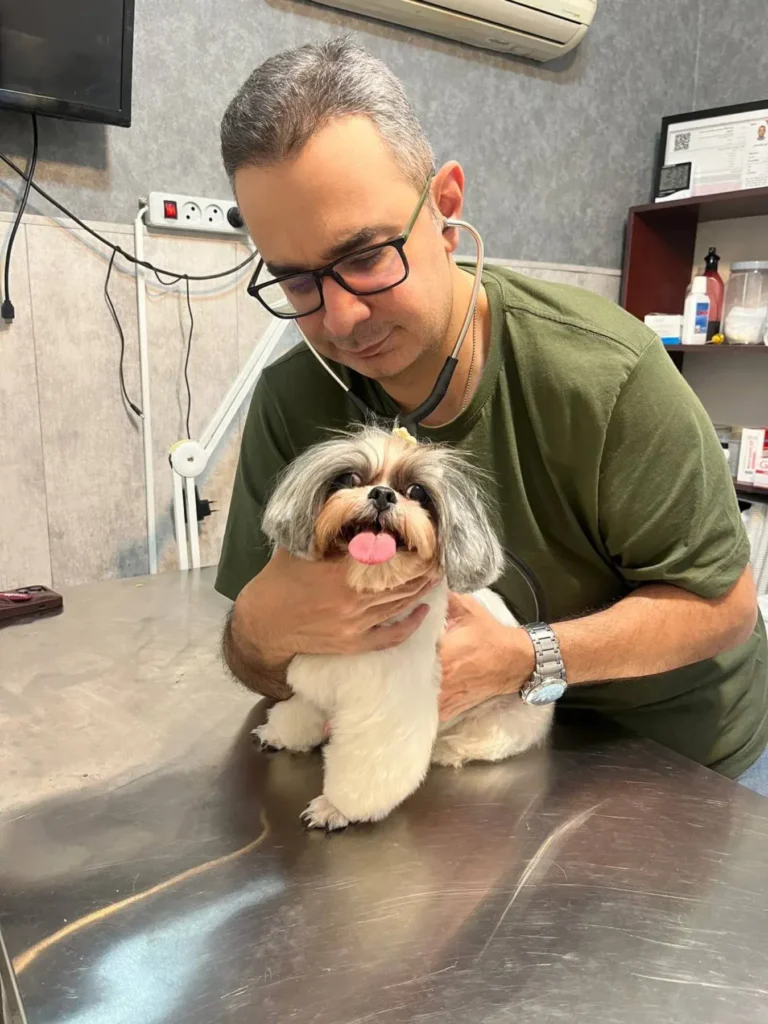
By Dr. Jayden DeWitt, DVM. Reviewed By Dr. Lorenzo Bertelli, DVM
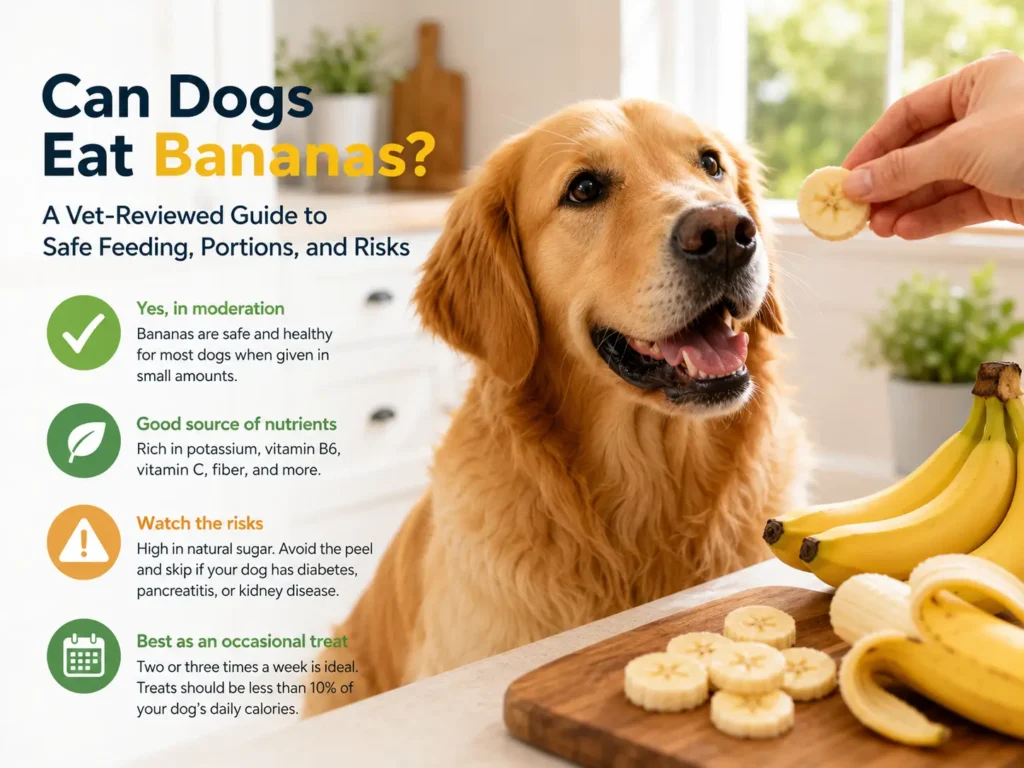
Yes, dogs can eat bananas. A plain, peeled, ripe banana is safe for most healthy adult dogs in small amounts. Aim for one or two thin slices for a small dog, three to six slices for a medium dog, and up to half a banana for a large dog. Two or three times a week is the recommended rhythm. Skip the peel. Skip bananas if your dog has diabetes, pancreatitis, or kidney disease.
Key Takeaways
- Bananas are on the ASPCA list of foods that are safe for dogs in moderation.
- Banana peels are not poisonous, but they can cause choking or a gut blockage.
- Treats, including fruit, should make up no more than 10% of your dog’s daily calories.
- Banana bread, banana pudding, and most banana chips contain ingredients that can harm dogs.
- Bananas are high in natural sugar, so they are not a good choice for diabetic, overweight, or kidney-impaired dogs.
If Your Dog Just Ate a Banana or the Peel, Read This First
Plain banana, no peel: Most likely fine. Watch for soft stool or gas over the next day.
Banana peel: Watch for vomiting, loss of appetite, straining to poop, or low energy over the next 24 to 72 hours. Call your vet if any of these show up.
Banana bread, pudding, or muffins: Check the ingredient list right now for chocolate, raisins, macadamia nuts, or xylitol. All are toxic to dogs. Call your vet or the Pet Poison Helpline at 855 764 7661 if any are listed.
Backup line: ASPCA Animal Poison Control Center, 888 426 4435 (open 24 hours).
Is Banana Healthy for Dogs?
Bananas are a healthy snack for most dogs when fed the right way. The fruit is soft, easy to chew, and offers nutrients dogs can use.
According to USDA FoodData Central, a medium banana (about 4 ounces) contains around 105 calories, 14 grams of natural sugar, 3 grams of fiber, and 422 milligrams of potassium. That same banana provides small amounts of vitamin B6, vitamin C, magnesium, and manganese.
The most useful nutrients for your dog:
- Potassium. Supports heart rhythm, muscle function, and nerve signals.
- Vitamin B6. Helps the body process protein and supports red blood cell production.
- Magnesium. Plays a role in over 300 enzyme reactions, including those that support bone health.
- Fiber. Aids digestion and helps form healthy stools.
- Vitamin C acts as an antioxidant. Dogs make their own vitamin C, so they need less from food than people do.
Banana is not a required part of any dog’s diet. Your dog gets all the nutrition they need from a complete and balanced food that meets the standards set by the Association of American Feed Control Officials (AAFCO). Banana is a treat, not a meal.
Are There Risks to Feeding Bananas to Dogs?
Bananas are safe for most dogs but come with three main downsides.
1. High natural sugar. Each banana has about 14 grams of sugar. That is more than most dog treats. Too much over time can lead to weight gain, dental problems, and a higher risk of diabetes.
2. Choking risk. Whole banana chunks can get stuck in the throats of small dogs or puppies. Always cut a banana into thin slices.
3. Stomach upset. Even safe foods can cause vomiting or diarrhea if your dog eats too much at once. Start with a small amount the first time.
How Many Bananas Can a Dog Eat in a Day?
Treats should never make up more than 10% of your dog’s daily calories. That guideline is recommended by the American Animal Hospital Association (AAHA) and the WSAVA Global Nutrition Committee. Use the table below as a starting point, then adjust for your dog’s activity level and overall diet.
| Dog Size | Weight | Slices Per Day (¼ inch thick) | Approx. Calories |
|---|---|---|---|
| Extra Small | 2 to 10 lbs | 1 to 2 slices | 5 to 10 cal |
| Small | 11 to 20 lbs | 2 to 3 slices | 10 to 15 cal |
| Medium | 21 to 50 lbs | 3 to 6 slices | 15 to 30 cal |
| Large | 51 to 90 lbs | A small handful | 30 to 45 cal |
| Extra Large | 91+ lbs | Up to half a banana | 45 to 55 cal |
If your dog gets other treats during the day, cut the banana portion to stay under the 10% rule.
How Often Can Dogs Eat Bananas?
Two or three times a week is the right rhythm for most healthy adult dogs. Daily is technically safe in very small portions, but rotating treats gives your dog a wider range of nutrients and helps keep treat calories under the 10% rule.
Can Puppies Eat Bananas?
Yes, puppies can have a tiny bit of banana once they are fully weaned, usually around eight weeks old. Their stomachs are still developing, so start with just a half slice and watch for any vomiting, diarrhea, or skin reaction over the next day.
Only introduce one new food at a time. That way, if your puppy reacts, you will know what caused it. Skip the banana for puppies under eight weeks old. Check with your vet first if your puppy has any health issues.
Are Bananas Good for Senior Dogs?
In small amounts, yes. Bananas are soft, which helps older dogs with missing teeth or dental disease. The potassium and B6 offer a mild benefit, too. Sugar is the main concern, since senior dogs tend to be less active and gain weight more easily. Skip the banana if your senior dog has chronic kidney disease, diabetes, or is on a prescription diet.
Why Can’t Some Dogs Eat Bananas?
A few groups of dogs should skip bananas because the sugar or potassium can make their condition worse.
Diabetic dogs. The Merck Veterinary Manual notes that high-glycemic foods are a poor fit for dogs with diabetes mellitus, since they can spike blood glucose and make insulin dosing harder.
Overweight dogs. Extra calories from sugary treats slow down weight loss. Your vet can help you build a treat plan that works with a weight management diet.
Dogs with pancreatitis. While bananas are low in fat, dogs with pancreatitis often need a tightly controlled diet. New foods can trigger another flare-up.
Dogs with kidney disease. Bananas are high in potassium, with around 422 mg per fruit. Dogs with chronic kidney disease often need low-potassium diets, since their kidneys cannot filter excess potassium well.
Dogs with food sensitivities. If your dog has known food allergies, talk to your vet before adding any new food, banana included.
Can Dogs Eat Bananas When They Have Diarrhea?
No. While the fiber in bananas sounds helpful, the sugar can make loose stools worse. For mild diarrhea, the American Veterinary Medical Association recommends a bland diet of plain boiled chicken and white rice for a day or two. Plain canned pumpkin (not pie filling) also helps many dogs. If diarrhea lasts more than 24 hours, your dog is a puppy, or you see blood in the stool, call your vet.
Can Dogs Eat Bananas When Sick?
Generally no. Sick dogs have sensitive stomachs, and adding new or sugary foods can make symptoms worse. Stick to your vet’s recommendations for a sick dog diet. The one exception is using a tiny piece of banana to hide medication, which works well for some dogs.
Can Dogs Eat Banana Peels?
No, dogs should not eat banana peels. The peel is not toxic, according to the ASPCA, but it is hard for dogs to digest. The thick fibers can cause stomach upset or a partial blockage in the intestines.
Banana peels may also carry small amounts of pesticide residue from commercial growing. The U.S. Environmental Protection Agency sets limits on pesticide use, but residue can still be present on the outside of fruit.
Always peel a banana before sharing it with your dog. Throw the peel in a covered trash can your dog cannot reach.
My Dog Ate a Banana Peel. Should I Be Worried?
For most adult dogs, a small piece of peel will pass through the gut in 24 to 72 hours without problems. Watch for these warning signs during that window:
- Vomiting more than once
- Refusing food or water
- Hunched posture or signs of belly pain
- No bowel movement for 24+ hours
- Lethargy or weakness
If you see any of these, call your vet. Small dogs and puppies are at higher risk for a blockage because their guts are smaller. If your dog swallowed a large piece or the whole peel, call your vet right away, even if your dog seems fine. The Pet Poison Helpline (855 764 7661) is open 24 hours a day if your vet is closed.
Can Dogs Eat Banana Chips, Banana Bread, or Banana Pudding?
These three are not the same as a fresh banana, and they need separate answers.
Banana chips. Plain dehydrated banana chips made with just bananas are safe in tiny amounts. The problem is that most store-bought chips are fried in oil, coated with sugar, or contain preservatives. Some sugar-free brands use xylitol, which is toxic to dogs even in small doses. Always check the label.
Banana bread. Skip it. Banana bread often contains sugar, butter, eggs, and sometimes raisins, walnuts, or chocolate chips. Raisins can cause kidney failure in dogs, and chocolate is toxic. Even plain banana bread is too high in sugar and fat to be a safe treat.
Banana nut bread and banana nut muffins. Same answer as banana bread. The nut content adds risk. Macadamia nuts cause weakness and tremors in dogs, and walnuts can carry mold that is harmful too.
Banana pudding. No. Pudding contains added sugar, dairy (a problem for lactose-intolerant dogs), and sometimes vanilla extract, which contains alcohol. Whipped topping can also contain xylitol.
Can Dogs Eat Frozen or Dried Bananas?
Frozen banana is safe and makes a great hot-weather treat. Slice a ripe banana, lay the pieces on a tray, freeze for two hours, and serve. Avoid giving a whole frozen banana, since the hard fruit can chip teeth.
Dried or dehydrated bananas are technically safe, but the sugar is much more concentrated. A small dog should have just one piece. Skip any dried banana that has been sweetened or fried.
Can Dogs Eat Banana Peppers?
Banana peppers are a mild chili pepper, not related to the fruit. They are not toxic, but the capsaicin can cause stomach pain, gas, and loose stools. Keep banana peppers off your dog’s plate.
How to Safely Feed Bananas to Your Dog
Follow these simple steps to make a banana a safe treat.
- Pick a ripe banana. Yellow with a few brown spots is best. Green bananas are harder to digest.
- Peel it. Always remove the peel before serving.
- Slice it thin. A quarter-inch slice is the right size for most dogs.
- Match the portion to your dog’s weight. Use the table above.
- Watch the first feeding. Give a small amount the first time and look for any reaction over 24 hours.
You can also mash a banana onto a lick mat, stuff it inside a hollow rubber toy and freeze it, or blend it into a smoothie with plain unsweetened yogurt and a few blueberries.
Can Dogs Be Allergic to Bananas?
Banana allergies in dogs are rare but possible. Most reactions are food sensitivities rather than true allergies. Common signs of a problem include:
- Itchy skin or face rubbing.
- Hives or facial swelling
- Vomiting or diarrhea
- Chronic itching or skin issues that persist for weeks (more often linked to food sensitivities in general than banana specifically; ask your vet for a proper diagnosis)
Mild symptoms usually appear within a few hours. If your dog has serious facial swelling, trouble breathing, or collapses, head to the nearest emergency vet right away. This may be a sign of anaphylaxis.
Easy Banana Dog Treat Recipes
Three simple recipes you can make at home with ingredients most kitchens already have.
Frozen Peanut Butter Banana Bites
Mash one ripe banana. Stir in two tablespoons of xylitol-free peanut butter and two tablespoons of plain Greek yogurt. Spoon into an ice cube tray and freeze for three hours. Serve one cube at a time as a hot-weather treat.
Banana Oat Cookies
Mash one ripe banana. Mix in one cup of rolled oats. Drop spoon-sized balls onto a baking sheet lined with parchment paper. Bake at 350 degrees Fahrenheit for 15 minutes. Cool before serving. Store in the fridge for up to four days.
Banana Pumpkin Soft Bites
Mash one ripe banana with half a cup of plain canned pumpkin. Stir in one cup of oat flour. Roll into small balls and flatten gently. Bake at 350 degrees for 18 minutes. Cool fully before serving. Gentle on sensitive stomachs.
Safety tips for homemade treats. Always check peanut butter for xylitol. Skip chocolate, raisins, grapes, macadamia nuts, and nutmeg. Homemade treats still count toward the 10% rule.
When to Call the Vet
Some banana-related situations call for a quick phone call to your vet:
- Your small dog or puppy ate a banana peel.
- Your dog is vomiting more than once after eating a banana.
- Your dog has not had a bowel movement for 24 hours after eating the peel.
- Your dog ate banana bread or pudding that may have had chocolate, raisins, or xylitol.
- Your dog shows signs of an allergic reaction (swelling, hives, trouble breathing).
For free 24-hour guidance, call the ASPCA Animal Poison Control Center at 888 426 4435 or the Pet Poison Helpline at 855 764 7661. Both services charge a small fee, but the advice can save your dog’s life.
Other Dog-Safe Fruits to Try
Banana is just one safe option. The ASPCA also lists these fruits as safe for dogs in moderation:
- Blueberries
- Strawberries
- Watermelon (no seeds, no rind)
- Apple slices (no seeds, no core)
- Pear (no core)
- Cantaloupe
Skip grapes, raisins, cherries, and avocado. All are toxic or harmful to dogs.
Can dogs eat a banana every day?
Technically, yes, in very small portions, but two or three times a week is healthier. Daily fruit makes it easy to slip over the 10% calorie rule, and variety in treats is better for your dog’s overall nutrition.
Can puppies eat a banana?
Yes, after eight weeks old, in very small pieces. Introduce only one new food at a time.
Can dogs eat banana baby food?
Only if it is 100% banana with no added ingredients. Skip any baby food with added sugar, vitamin D supplements, or apple or grape juice.
Can dogs eat banana yogurt?
Skip flavored yogurt. Plain unsweetened Greek yogurt with mashed fresh banana is safer.
How long does it take a dog to pass a banana peel?
Usually 24 to 72 hours. Call your vet if it has been three days with no sign of it passing, or if your dog has stopped pooping.
Are bananas good for dogs with constipation?
A few slices can help mildly constipated dogs because of the fiber. For ongoing constipation, plain canned pumpkin works better, and a vet visit is smart.
Do bananas cause constipation in dogs?
Ripe bananas rarely cause constipation. Green or unripe bananas can be beneficial since they are higher in resistant starch.
Can dogs eat banana-flavored ice cream?
No. Most ice cream has too much sugar and dairy, and some sugar-free brands contain xylitol.
Are bananas a good training treat?
They work for casual rewards but are not ideal for long sessions. The soft texture gets messy, and the sugar adds up fast. Small pieces of cooked chicken are better for high-volume training.
Can dogs eat a banana with the peel on?
No. Always remove the peel first.
How long after eating a banana peel do symptoms appear?
Mild stomach upset can show up within two to six hours. Blockage signs (vomiting, no appetite, straining to poop) usually appear within 24 to 72 hours.
Are bananas a natural laxative for dogs?
Not really. They contain some fiber but are not a reliable laxative. Plain canned pumpkin, more water, and exercise work better.
The Bottom Line
Banana is a safe, healthy treat for most dogs when peeled, sliced, and given in small amounts. Match the portion to your dog’s weight, keep treats under the 10% daily calorie rule, and skip the banana altogether for diabetic, overweight, or kidney-impaired dogs. Skip the peel, skip banana bread, skip pudding, and check the label on any banana chips. When in doubt, your vet is one phone call away.
Sources
U.S. Environmental Protection Agency. Pesticide Residue Limits on Imported Produce. epa.gov.
ASPCA Animal Poison Control Center. People Foods to Avoid Feeding Your Pet. aspca.org.
USDA FoodData Central. Bananas, Raw, Nutrient Profile. fdc.nal.usda.gov.
Merck Veterinary Manual. Nutrition: Small Animals; Diabetes Mellitus in Dogs. merckvetmanual.com.
American Veterinary Medical Association. Diet Recommendations for Dogs. avma.org.
Pet Poison Helpline. Foreign Body Ingestion in Dogs. petpoisonhelpline.com.
U.S. Environmental Protection Agency. Pesticide Residue Limits on Imported Produce. epa.gov.
Read other Fruits Articles
Dr. Jayden DeWitt, DVM

Dr. Lorenzo Bertelli, DVM,
Dr. Lorenzo Bertelli, DVM, is a veterinarian with 5+ years of experience in small animal medicine, specializing in canine nutrition and preventive care. A graduate of the University of Florida, he writes to help dog owners make confident, informed feeding decisions. He shares his home with two dogs, Zeus and Rocky.