Can Dogs Eat Apples? A Vet-Reviewed Guide to Safe Feeding

By Dr. Lara Friedman, DVM. Reviewed By Dr. Grace Mullen, DVM
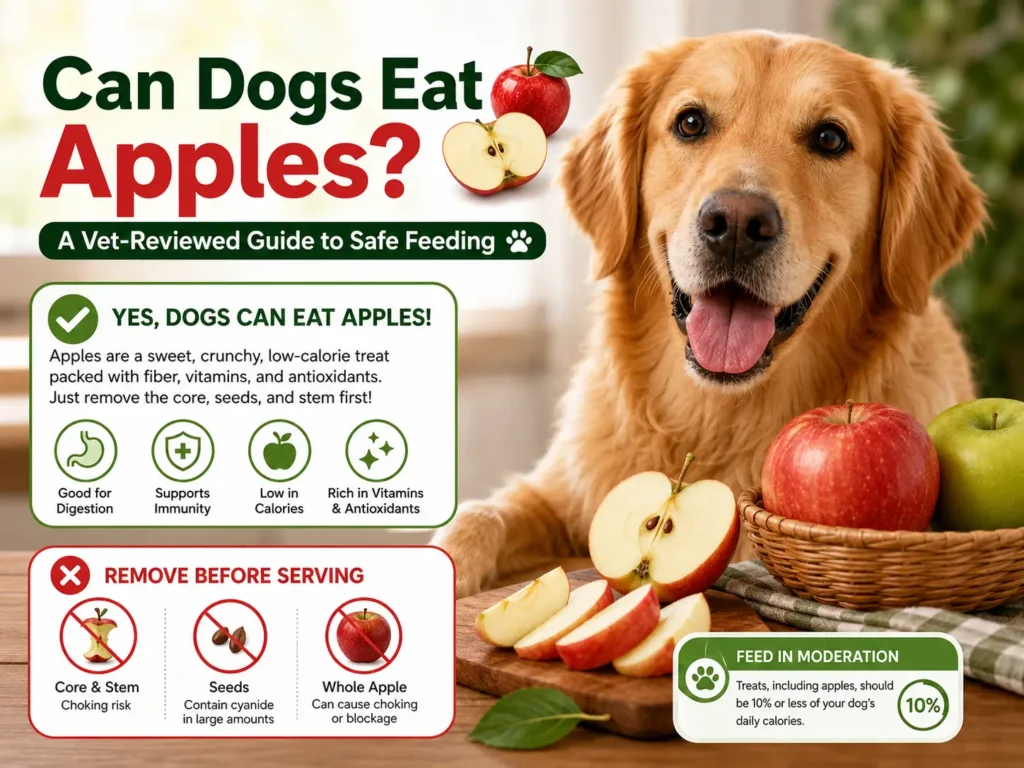
Yes, dogs can eat apples, and most dogs love them. An apple is a sweet, crunchy snack that is low in calories and full of fiber and vitamins. The flesh and the skin are both safe for your dog. Just take out the core, seeds, and stem first, then serve the apples in small pieces. If your dog already grabbed a whole apple or a core off the floor, skip down to the next section for exactly what to do.
Key takeaways:
- Dogs can safely eat apple flesh and apple skin in small amounts.
- Always remove the core, seeds, and stem before you share.
- Apples give your dog fiber, vitamin C, vitamin A, and antioxidants.
- Keep apples to about 10% or less of your dog’s daily calories.
- A fresh, plain apple is best. Skip sweetened applesauce and anything labeled “sugar-free,” since it may contain xylitol.
- A few chewed seeds rarely cause harm, but a swallowed core can choke a dog or block the gut.
Wait, Did Your Dog Just Eat an Apple Core or Seeds?
Take a breath. Most dogs that swallow an apple core or a few seeds are completely fine. The flesh and skin are safe, and a small number of seeds seldom cause poisoning. The two real things to watch for are choking and a blocked gut, not cyanide.
Here is what to do right now:
- Check for choking. If your dog is gagging, pawing at the mouth, or struggling to breathe, treat it as an emergency and call your vet or an emergency animal hospital today.
- Watch for the next 24 hours. Look for repeated vomiting, no poop, straining to poop, a hard or painful belly, low energy, or refusing food. These can be signs of a blockage and need a vet.
- Call for advice if you are unsure. This is smart for small dogs, for any dog that chewed up a lot of seeds, or if you see any of the signs above. You can reach your vet or the ASPCA Animal Poison Control Center at (888) 426-4435, or the Pet Poison Helpline at (855) 764-7661.
- Do not make your dog throw up unless a vet tells you to.
Now, for the full picture on how to feed apples the right way, keep reading.
Are Apples Good for Dogs? The Benefits and Nutrition Facts
Yes. Apples are a healthy occasional snack for dogs — low in fat and calories, high in water and fiber, which makes them a smart swap for fatty commercial treats. A medium apple (about 182g) contains roughly 95 calories, 4 grams of fiber, and 19 grams of natural sugar, according to USDA FoodData Central.
Here is what your dog gets from a few apple slices:
- Fiber for digestion. Apples contain pectin, a soft fiber that helps keep your dog regular and feeds healthy gut bacteria.
- Vitamin C and vitamin A. These support the immune system, skin, and eyes. Apples also contain antioxidants like quercetin, which are studied for their health benefits.
- A low-calorie treat. Because apples are mostly water, they help your dog feel full without a lot of calories. That is helpful for dogs watching their weight.
- A clean crunch. Chewing a firm slice can help scrape a little plaque off the teeth. It does not replace brushing, but it is a nice bonus.
- A boredom buster. A frozen slice in a food puzzle gives your dog something fun to work on, which is good for the mind as well as the body.
The Potential Risks of Apples for Dogs
Apples are safe when you prepare them right. The risks come from the parts you should throw away and from overfeeding.
Can dogs eat apple seeds? The truth about cyanide
No. Apple seeds contain amygdalin, a compound that releases cyanide only when the seed is chewed and crushed — a seed swallowed whole typically passes through harmlessly since its hard shell stays closed. According to the ASPCA, a medium dog would need to chew up roughly the seeds from 200 apples to reach a toxic dose, so a few accidental seeds are not an emergency. Seeds offer no nutritional benefit, though, so the safe habit is to remove them every time.
Can dogs eat apple cores?
No, your dog should not eat the core. The core is hard and tough to chew, which makes it a choking risk, especially for small dogs. A swallowed core can also get stuck and block the gut. On top of that, the core holds the seeds. The flesh is the safe part, so the core and seeds belong in the trash before you share.
Why a whole apple is not a good idea
Letting your dog bite into a whole apple is risky for the same reasons. Your dog gets the core and seeds along with the fruit, and a big chunk can lodge in the throat. Slice the apple first, every time. It takes ten seconds and removes the danger.
Sugar, weight, and dogs with diabetes
Apples taste sweet because they contain natural sugar. That is fine in small amounts for a healthy dog. But too much can lead to extra pounds, loose stool, and blood sugar swings. If your dog has diabetes, is overweight, or has had pancreatitis, talk to your vet before adding apples to the bowl.
Upset stomach and loose stool
Like any new food, too much apple too fast can cause gas, an upset stomach, or diarrhea. Start with a small piece the first time, and watch how your dog does over the next day before you offer more.
Can Dogs Eat Apple Skin and Peels?
Yes, dogs can eat apple skin, and the peel is actually the richest part for fiber and antioxidants. There is one exception. Dogs with a sensitive stomach may handle peeled apples better, since the skin is harder to digest. Either way, wash the apple well first to rinse off wax and pesticides. If you feed apples with skin often, and you can find them, organic apples cut down on that residue.
Can Dogs Eat Green Apples?
Yes, dogs can eat green apples, and green apples with skin are safe too. The main difference from red types is taste. Green apples, like Granny Smith, are more tart and have a little less sugar. That slightly lower sugar can make a green apple a nice pick for dogs that need to watch their weight. As always, core it and slice it before serving.
Red, Granny Smith, and Honeycrisp: Does the Apple Type Matter?
Not really. Dogs can eat red apples, Granny Smith apples, Honeycrisp apples, Gala apples, and other common grocery varieties. They are all safe once you remove the core and seeds. The only difference is sugar and tartness. Sweeter types like Honeycrisp and Gala have a bit more sugar, while Granny Smith is more tart. Pick whichever your dog enjoys, and keep the portion small no matter the type.
How Much Apple Can Dogs Eat?
The right amount depends on your dog’s size and how many calories your dog needs each day. The one rule to anchor on comes from VCA Animal Hospitals: treats, including fruit, should make up no more than 10% of your dog’s daily calories. The other 90% should come from a complete, balanced dog food. So the safe habit is simple. Start with a small piece, count it inside that 10% treat budget, and watch how your dog does.
The chart below is a general starting point, not a set dose. Because the right amount is tied to your dog’s full daily calories, use it to land in the right ballpark, then ask your vet to confirm an amount for your dog. One “slice” here is about an inch wide.
| Your Dog’s Size | A Reasonable Starting Point |
|---|---|
| Toy (2 to 10 lbs) | A piece or two |
| Small (10 to 20 lbs) | A few small pieces |
| Medium (20 to 50 lbs) | A few slices |
| Large (50 to 90 lbs) | A small handful, up to about a quarter of an apple |
| Giant (90+ lbs) | A small handful, up to about a third of an apple |
If your dog has a health condition, skip the chart and ask your vet to set an amount that fits your dog’s daily calories.
How often can dogs eat apples? A few times a week is plenty for most dogs. Apples are a treat, not a meal, so they stay inside that 10% treat budget along with everything else you give.
Can dogs eat apples every day? Most healthy dogs can have a little apple each day, as long as the portion stays small and the rest of the diet is balanced. If you notice gas or loose stool, cut back to a couple of times a week.
How to Feed Apples to Your Dog Safely
Feeding apples to dogs is easy once you have a routine. Wash the apple, cut it open, take out the core and seeds, and slice the flesh into small pieces that fit your dog’s size. Peel it if your dog has a touchy stomach. That is the whole job.
Once it is prepped, here are fun ways to serve apple slices:
- Frozen treats. Freeze plain slices for a cool, crunchy snack on a hot day.
- Stuffed toys. Mash a little apple, pack it into a rubber chew toy, and freeze it. This makes snack time last longer.
- Food puzzles. Hide pieces in a puzzle feeder or snuffle mat so your dog has to sniff them out.
- Apple and plain yogurt. Mix chopped apple with a spoonful of plain, unsweetened yogurt. Check that the yogurt has no xylitol.
- Training rewards. Use tiny pieces as a low-calorie reward during practice.
Skip apple foods made for people who have added sugar, butter, salt, or spice. Plain fresh fruit is the healthiest choice every time.
Can Puppies Eat Apples? Plus Seniors and Dogs With Health Issues
Can puppies eat apples? Yes, once a puppy is weaned and eating solid food. Stick to one or two thin slices with the core and seeds removed, and go slow, since a puppy’s stomach is more sensitive than an adult’s. Skip apple if your vet has your puppy on a special diet.
A few dogs need extra care:
- Senior dogs. Apple is fine for most older dogs. Soft, small pieces are easier on aging teeth.
- Dogs with diabetes. The natural sugar can affect blood sugar, so check with your vet first.
- Overweight dogs. Apple is a decent low-calorie treat, but still count it in the daily total.
- Dogs with a sensitive stomach or pancreatitis. Start tiny, peel the skin, and ask your vet if it is a good fit.
- Allergies. True apple allergies in dogs are rare, but they can happen. Watch for itching, swelling, or stomach upset, and stop feeding the apple if you see them.
Apple Foods: Applesauce, Apple Pie, Cider Vinegar, and Crab Apples
A whole apple is simple. Apple products are where people get tripped up.
- Applesauce. Plain, unsweetened applesauce is okay in small amounts. Most store versions have added sugar, so read the label and never feed any product with xylitol.
- Apple pie. No. Pie is loaded with sugar and butter, and the crust and filling are too heavy for dogs. Some recipes also use nutmeg, which is unsafe for dogs in larger amounts.
- Dried or dehydrated apple chips. A little is fine, but drying packs the sugar into a smaller bite, so keep portions tiny and choose ones with no added sugar.
- Apple juice. Skip it. Juice is high in sugar and missing the fiber that makes a fresh apple worth feeding.
- Apple cider vinegar. This is not a food, and some owners add a few drops to water or meals. It is very acidic, so check with your vet before using any, and never give it straight.
- Crab apples. The apple part of a crab apple is fine for dogs in small amounts. The problem is the rest of the plant. Crab apple trees drop a lot of stems, leaves, and seeds, which hold that same cyanide compound, so keep your dog away from fallen crab apples and the tree itself.
Other Fruits Dogs Can and Cannot Eat.
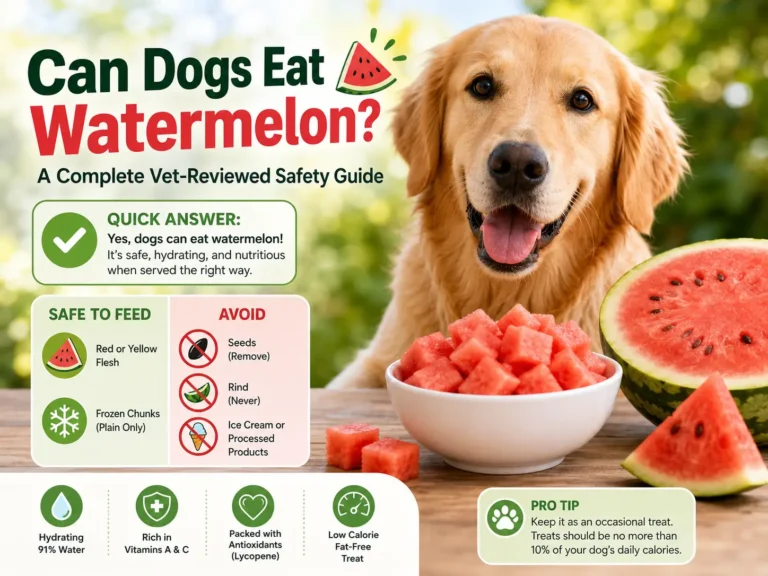
Apples are one of many fruits dogs can enjoy. Safe picks in small amounts include bananas, blueberries, seedless watermelon, strawberries, and cranberries. Always remove pits, seeds, and rinds first.
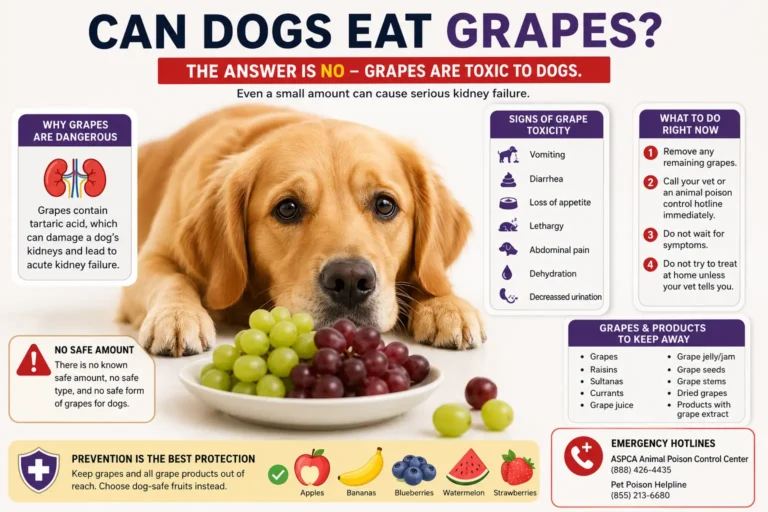
Some fruits are dangerous and should never be shared. Grapes, raisins, and currants are toxic to dogs and can cause kidney failure, per the ASPCA. Cherry pits and the pits of other stone fruits are also a hazard. When in doubt about any food, call your vet before you feed it.
Frequently Asked Questions:
Can dogs eat cooked apples?
Yes, plain cooked apple with no sugar, butter, or spice is safe and can be gentle on the stomach. Let it cool first, and keep the portion small.
Do apples help clean a dog’s teeth?
Chewing a firm apple slice may help scrape away a small amount of plaque, but it is not a substitute for regular tooth brushing or professional dental cleanings.
Can apples cause diarrhea in dogs?
Yes. Eating too much apple or consuming too much natural sugar can lead to loose stools or gas. Introduce apples gradually and serve only small portions.
Are apples good for a dog’s upset stomach?
A small amount of plain apple can provide gentle fiber, but if your dog has ongoing vomiting, diarrhea, or stomach discomfort, contact your veterinarian rather than relying on fruit as a treatment.
Sources
- ASPCA Animal Poison Control Center, Toxic and Non-Toxic Plants: Apple. https://www.aspca.org/pet-care/aspca-poison-control/toxic-and-non-toxic-plants/apple
- Pet Poison Helpline. https://www.petpoisonhelpline.com/
- VCA Animal Hospitals, Dog Treats. https://vcahospitals.com/know-your-pet/dog-treats
- U.S. Food and Drug Administration, “Paws Off Xylitol; It’s Dangerous for Dogs.” https://www.fda.gov/consumers/consumer-updates/paws-xylitol-its-dangerous-dogs
- USDA FoodData Central, Apple, raw. https://fdc.nal.usda.gov/
- Boyer J. and Liu R., “Apple phytochemicals and their health benefits,” Nutrition Journal. https://www.ncbi.nlm.nih.gov/pmc/articles/PMC442131/
- Merck Veterinary Manual, Xylitol Toxicosis in Dogs. https://www.merckvetmanual.com/toxicology/food-hazards/xylitol-toxicosis-in-dogs
This article is for general information and is not a substitute for advice from your own veterinarian. If you think your dog ate something harmful, call your vet or a pet poison helpline right away.
Read other Fruits Articles
By Dr. Lara Friedman, DVM
Dr. Lara Friedman, DVM, is a veterinarian with 6+ years of experience across hospital, clinic, and shelter medicine, specializing in canine nutrition and preventive care. A graduate of Colorado State University and a Fear Free Certified Professional®, she writes to help dog owners prevent diet-related health issues before they start. She shares her home with her dog, Duke.

Reviewed by Dr. Grace Mullen, DVM
Dr. Grace Mullen, DVM, is a veterinarian and Hospital Medical Director with more than 8 years of experience in small animal medicine, with a clinical focus on internal medicine and canine nutrition. A graduate of Michigan State University College of Veterinary Medicine and a member of the American Veterinary Medical Association (AVMA), she writes evidence-based articles that help dog owners make safe, informed feeding decisions. She lives with her two dogs, Milo and Cooper.