
Can Dogs Eat Shrimp? A Vet-Reviewed Guide to Cooked, Raw, Fried, and Shells
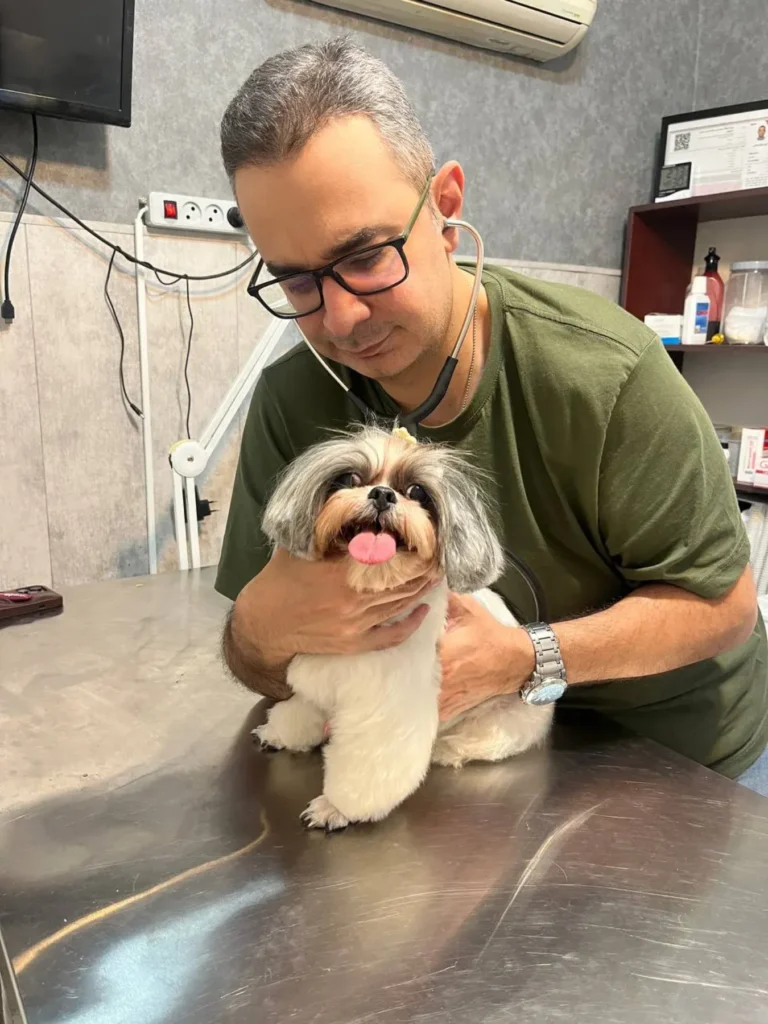
By Dr. Jayden DeWitt, DVM. Reviewed By Dr. Lara Friedman, DVM
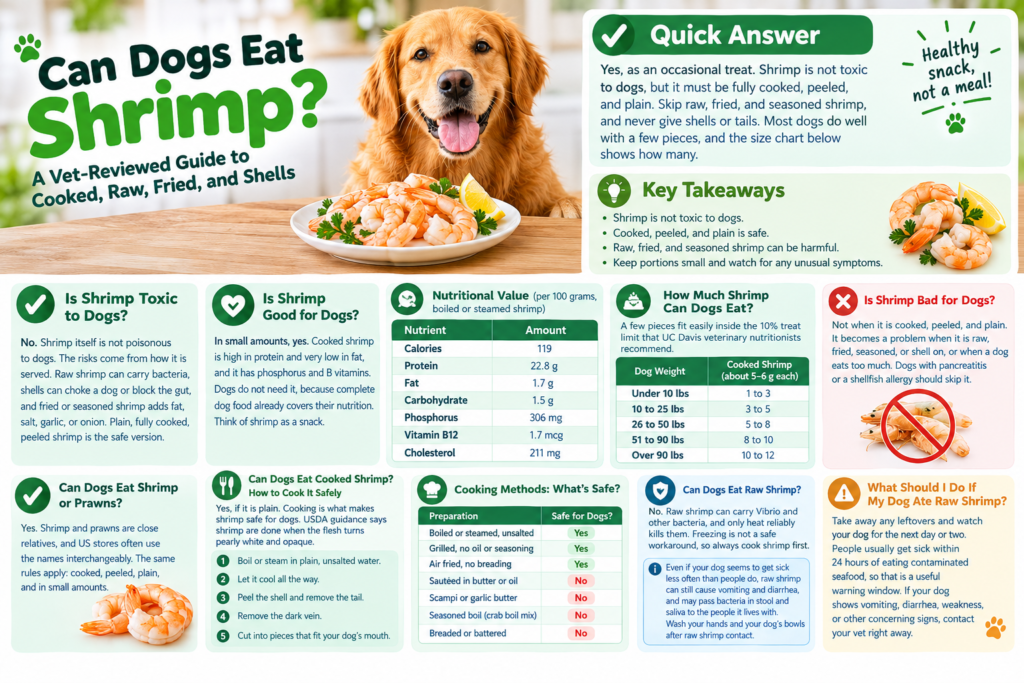
Yes, as an occasional treat. Shrimp is not toxic to dogs, but it must be fully cooked, peeled, and plain. Skip raw, fried, and seasoned shrimp, and never give shells or tails. Most dogs do well with a few pieces, and the size chart below shows how many.
Is Shrimp Toxic to Dogs?
No. Shrimp itself is not poisonous to dogs. The risks come from how it is served. Raw shrimp can carry bacteria, shells can choke a dog or block the gut, and fried or seasoned shrimp adds fat, salt, garlic, or onion. Plain, fully cooked, peeled shrimp is the safe version.
Is Shrimp Good for Dogs?
In small amounts, yes. Cooked shrimp is high in protein and very low in fat, and it has phosphorus and B vitamins. Dogs do not need it, because complete dog food already covers their nutrition. Think of shrimp as a snack.
This is what USDA FoodData Central lists for boiled or steamed shrimp, per 100 grams.
| Nutrient | Amount |
|---|---|
| Calories | 119 |
| Protein | 22.8 g |
| Fat | 1.7 g |
| Carbohydrate | 1.5 g |
| Phosphorus | 306 mg |
| Vitamin B12 | 1.7 mcg |
| Cholesterol | 211 mg |
One large cooked shrimp weighs about 5 to 6 grams and has roughly 6 or 7 calories. A few shrimp fit easily inside the 10% treat limit that UC Davis veterinary nutritionists recommend.
Is Shrimp Bad for Dogs?
Not when it is cooked, peeled, and plain. It becomes a problem when it is raw, fried, seasoned, or shell on, or when a dog eats too much. Dogs with pancreatitis or a shellfish allergy should skip it.
Can Dogs Eat Shrimp or Prawns?
Yes. Shrimp and prawns are close relatives, and US stores often use the names interchangeably. The same rules apply: cooked, peeled, plain, and in small amounts.
Can Dogs Eat Cooked Shrimp? How to Cook It Safely
Yes, if it is plain. Cooking is what makes shrimp safe for dogs. USDA guidance says shrimp are done when the flesh turns pearly white and opaque.
- Boil or steam the shrimp in plain, unsalted water until the flesh is pearly white and opaque.
- Let it cool completely.
- Peel off the shell and pull off the tail.
- Remove the dark vein along the back, which is the digestive tract.
- Cut it into pieces that fit your dog’s mouth.
Here is how common ways of cooking shrimp compare.
| Preparation | Safe for dogs? | Why |
|---|---|---|
| Boiled or steamed, unsalted | Yes | No added fat or seasoning |
| Grilled, no oil or seasoning | Yes | Peel it and remove skewers first |
| Air-fried, no breading | Yes | Crunchy with few extra calories |
| Sautéed in butter or oil | No | Extra fat |
| Scampi or garlic butter | No | Garlic and fat |
| Seasoned boil (crab boil mix) | No | Salt, spices, and sometimes onion or garlic |
| Breaded or battered | No | Fat, salt, and batter |
Can Dogs Eat Boiled Shrimp?
Yes, if the water is unsalted and unseasoned. Skip seasoned boils such as crab boil mixes, which add salt, spices, and sometimes onion or garlic. This matters at a Gulf Coast-style shrimp boil, where the plain shrimp should come out of the pot before the seasoning goes in. Cool it, peel it, and cut it small.
Can Dogs Eat Grilled or Air Fried Shrimp?
Yes, if it is plain, with no breading, oil, butter, or seasoning. Peel it first. Unbreaded air frying is a lower-calorie way to add crunch.
Can Dogs Eat Raw Shrimp? Why Heat Matters
No. Raw shrimp can carry Vibrio and other bacteria, and only heat reliably kills them. The CDC explains that Vibrio live naturally in coastal waters and can build up in shellfish. The California Department of Public Health tells people to cook shrimp and other shellfish thoroughly. The FDA and CDC also say that lemon juice, hot sauce, and alcohol do not remove the bacteria. Freezing is not a safe workaround, so always cook shrimp first.
Dogs seem to get sick from these bacteria less often than people do. Still, a dog can get vomiting and diarrhea, and it can pass bacteria in stool and saliva to the people it lives with. Wash your hands and your dog’s bowls after raw shrimp contact.
What Should I Do If My Dog Ate Raw Shrimp?
Take away any leftovers and watch your dog for the next day or two. People usually get sick within 24 hours of eating contaminated seafood, so that is a useful window to watch. Call your vet if you see vomiting, diarrhea, belly pain, or tiredness. Call sooner for puppies, seniors, and dogs with health conditions.
Can Dogs Eat Shrimp Shells? Tails and Heads Too
No. Shells, heads, and tails can cause choking and can irritate or block the gut. Cornell University veterinarians list vomiting, loss of appetite, and belly pain as common blockage signs, and they say most blockages need surgery. Peel every shrimp fully before sharing, and put shells in a closed trash can.
Can Dogs Eat Shrimp Tails?
No. Tails are hard and sharp when they break, and they can choke a small dog. One tail often passes without trouble, but remove every one. If your dog ate a tail, use this timeline.
| Time | What you may see | What to do |
|---|---|---|
| 0 to 6 hours | Gagging, drooling, one episode of vomiting | Remove access and watch closely |
| 6 to 24 hours | Repeated vomiting, loose stool, low appetite | Call your vet if it repeats or your dog seems tired |
| After 24 hours | Belly pain, no stool, weakness, vomiting that will not stop | See a vet the same day, since this can mean a blockage |
Can Dogs Eat Shrimp on Skewers?
Slide the shrimp off first. A wooden or metal skewer can injure the mouth or throat, and a swallowed piece can cause serious harm. After a cookout, check the grill area and plates for dropped skewers.
Can Dogs Eat Fried Shrimp?
No. Frying adds a lot of fat, and the batter often has salt, garlic, or onion powder. USDA data show how big the change is.
| Per 100 grams | Boiled or steamed | Breaded and fried |
|---|---|---|
| Calories | 119 | 242 |
| Fat | 1.7 g | 12.3 g |
| Carbohydrate | 1.5 g | 11.5 g |
| Protein | 22.8 g | 21.4 g |
Fat is the main worry. Tufts University veterinary writers say that eating a lot of fat, such as holiday table scraps, is one of the most common causes of pancreatitis in dogs. Signs include loss of appetite, vomiting, diarrhea, fever, and belly pain. A peer-reviewed review of canine pancreatitis also lists table scraps, unusual food items, and trash access among the suggested risk factors.
Can Dogs Eat Popcorn Shrimp?
No. Popcorn shrimp is breaded and fried, so it carries the same fat and salt as fried shrimp. One dropped piece is unlikely to hurt, but do not feed it on purpose.
Can Dogs Eat Coconut Shrimp?
No. It is coated in coconut flakes, often sweetened, and then fried, so it adds fat, sugar, and salt. The dipping sauce usually adds more sugar. Plain cooked shrimp is the better choice.
Can Dogs Eat Shrimp Cocktail? Sauce, Rings, and Party Platters
Plain cooked shrimp, yes. The cocktail sauce, no. It is salty and spicy with horseradish, and many recipes use onion or garlic. Check the label on any sugar-free or low-sugar sauce, because the FDA warns that xylitol can drop a dog’s blood sugar within 10 to 60 minutes.
Holiday shrimp rings, game day platters, and tailgate trays put shrimp, sauce, and tails right at nose level. Keep the tray up high, and share the shrimp, not the dip.
Can Dogs Eat Shrimp Scampi or Garlic Butter Shrimp?
No. The Merck Veterinary Manual explains that garlic and onion can damage a dog’s red blood cells and cause anemia, and signs such as weakness and pale gums can show up days later. Butter adds fat on top of that. Skip scampi, garlic butter, and any heavily seasoned shrimp.
How Much Shrimp Can Dogs Eat? A Portion Guide by Weight
Start small. UC Davis veterinary nutritionists say treats and extras should stay under 10% of daily calories. Shrimp is low in calories, so the limit that matters is your dog’s stomach. Shrimp is rich, and too much at once can cause loose stool.
These amounts use large cooked, peeled shrimp.
| Dog weight | Starting amount |
|---|---|
| Under 10 lbs | Half to 1 shrimp |
| 10 to 25 lbs | 1 to 2 shrimp |
| 26 to 50 lbs | 2 to 3 shrimp |
| 51 to 90 lbs | 3 to 4 shrimp |
| Over 90 lbs | 4 to 5 shrimp |
These are our conservative starting amounts. They are not a published veterinary standard, so let your vet adjust them. Even five large shrimp add only about 30 calories.
Can Dogs Eat Shrimp Every Day?
No. Shrimp is a treat, not a daily food. Once or twice a week is a safe ceiling for most healthy dogs, because shrimp adds richness and sodium, and complete dog food already covers their nutrition.
Can Dogs Be Allergic to Shrimp?
Yes, but it is uncommon. The Merck Veterinary Manual lists beef, dairy, chicken, wheat, and lamb as the most common food allergens in dogs, with fish less common. Shellfish is not on the common list. Food allergy signs include itching, ear infections, skin problems, and sometimes vomiting or diarrhea.
Offer one tiny piece first. Stop and call your vet if you see signs. Go to an emergency clinic right away for facial swelling or trouble breathing.
Can Shrimp Upset a Dog’s Stomach?
Yes. A big serving, a first taste, or raw, fried, or seasoned shrimp can cause gas, soft stool, or vomiting. Start with a small piece and wait a day before offering more.
Is Shrimp High in Cholesterol for Dogs?
Shrimp has about 211 mg of cholesterol per 100 grams, according to USDA. Dogs handle cholesterol differently from people, though. Tufts veterinary writers note that dogs naturally carry very little bad cholesterol, and high blood cholesterol in dogs usually traces to conditions like hypothyroidism. Fat is the bigger concern, so keep shrimp plain and occasional.
Does Shrimp Have Mercury? Is It Safe for Dogs?
Shrimp is one of the lowest mercury seafoods. EPA and FDA data put it at about 0.01 micrograms per gram, in the Best Choices group. Mercury is not a reason to skip plain cooked shrimp.
Can Dogs Eat Frozen or Precooked Shrimp?
Yes, if it is fully cooked and plain. Raw frozen shrimp must be cooked first. Thaw it in the refrigerator, rinse it, peel it, and cut it small.
Check the label for sodium. USDA lists about 947 mg per 100 grams in shrimp treated to hold moisture, compared with about 224 mg untreated. Also watch for seasoning, garlic, and sauces.
USDA guidance puts cooked shrimp at about 3 to 4 days in the refrigerator, and cooked shrimp should not sit out for more than 2 hours.
Can Puppies Eat Shrimp?
Only after they eat solid food, and only a tiny, plain, cooked piece. Puppies have sensitive stomachs and are more likely to choke. Ask your vet first.
Can Dogs With Pancreatitis Eat Shrimp?
Ask your vet first. Plain boiled shrimp is low in fat, but many dogs with pancreatitis need strict diets, and a new food can trigger a flare. Never feed fried or buttered shrimp.
Can Dogs With Kidney or Heart Disease Eat Shrimp?
Ask your vet first. Cooked shrimp has about 306 mg of phosphorus per 100 grams and can be high in sodium when processed. Vets often limit both in kidney and heart disease.
When to Call a Vet or Poison Control
Call your vet if your dog ate a shell, a tail, raw shrimp, or fried or seasoned shrimp and then vomits, has diarrhea, seems tired, or has belly pain. Call right away if the shrimp had garlic, onion, or a sugar-free sauce.
- ASPCA Animal Poison Control Center: (888) 426-4435
- Pet Poison Helpline: (855) 764-7661
Both are open 24 hours a day and charge a consultation fee.
Key Takeaways: Can Dogs Eat Shrimp?
- Yes, in small amounts. Plain, fully cooked, peeled shrimp is the safe form.
- Never give raw shrimp, shells, tails, or skewers.
- Skip fried, popcorn, coconut, scampi, and cocktail sauce versions.
- Start with the weight-based amounts above, once or twice a week at most.
- Keep all treats under 10% of daily calories.
- Check labels on frozen and precooked shrimp for sodium and seasoning.
- Ask your vet first if your dog has pancreatitis, kidney disease, heart disease, or allergies.
Medical Review and Sources
This article must be reviewed by a licensed veterinarian before publishing. Add the reviewer’s name, credentials, and review date here.
- USDA FoodData Central. Crustaceans, shrimp, mixed species, cooked, moist heat; and breaded and fried. fdc.nal.usda.gov
- UC Davis School of Veterinary Medicine. Treatment Guidelines for Dogs. healthtopics.vetmed.ucdavis.edu
- EPA and FDA. Fish advice technical information (mercury levels). epa.gov and fda.gov
- Cornell University College of Veterinary Medicine. Gastrointestinal Foreign Body Obstruction in Dogs. vet.cornell.edu
- Merck Veterinary Manual. Garlic and Onion (Allium spp.) Toxicosis in Animals. merckvetmanual.com
- Merck Veterinary Manual. Sources of Food Allergens in Dogs and Cats. merckvetmanual.com
- Tufts University Cummings School, Your Dog newsletter. High cholesterol in dogs; pancreatitis. tuftsyourdog.com
- New insights into the etiology, risk factors, and pathogenesis of pancreatitis in dogs: Potential impacts on clinical practice. PubMed Central, PMC9151489.
- CDC. About Vibrio and Food Safety: Oysters and Vibriosis. cdc.gov
- California Department of Public Health. Vibriosis (Non-Cholera). cdph.ca.gov
- FDA. Paws Off Xylitol; It’s Dangerous for Dogs. fda.gov
- USDA Food Safety and Inspection Service. Safe minimum cooking temperatures and leftovers guidance. fsis.usda.gov
- ASPCA Animal Poison Control Center. aspca.org
- Pet Poison Helpline. petpoisonhelpline.com
- Whole Dog Journal. Can Dogs Eat Shrimp?
Written By Dr. Jayden DeWitt, DVM
Dr. Jayden DeWitt, DVM, has 10+ years of experience in general veterinary practice, with a focus on canine nutrition and preventive care. He writes to turn real clinical experience into practical, no-nonsense food safety advice dog owners can actually use.

Reviewed By Dr. Lara Friedman, DVM
Dr. Lara Friedman, DVM, is a veterinarian with 6+ years of experience across hospital, clinic, and shelter medicine, specializing in canine nutrition and preventive care. A graduate of Colorado State University and a Fear Free Certified Professional®, she writes to help dog owners prevent diet-related health issues before they start. She shares her home with her dog, Duke.