Can Dogs Eat Avocado? Complete Vet-Informed Safety Guide

By Dr. Grace Mullen, DVM. Reviewed By Dr. Lara Friedman, DVM
Published: 19 October, 2026
Your dog grabbed a piece of avocado off the counter, and you are not sure what to do next. Here is the short answer. A small bite of plain avocado flesh will likely not hurt your dog. The skin, the pit, and large amounts of flesh are a different story. This guide walks through exactly what is safe, what is risky, and what to do right now if your dog already ate some.
Can Dogs Eat Avocado? The Short Answer
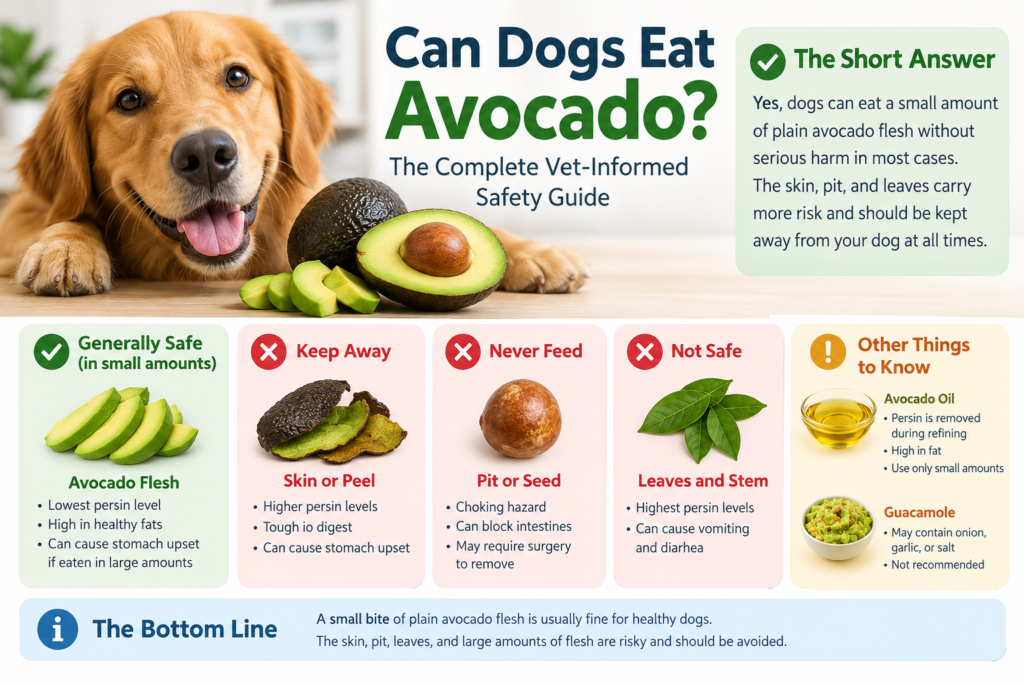
Yes, dogs can eat a small amount of plain avocado flesh without serious harm in most cases. The skin, pit, and leaves carry more risk and should be kept away from your dog at all times. According to the ASPCA Animal Poison Control Center, avocado contains a compound called persin that affects some animals far more than others, and dogs tend to handle it better than species like birds or horses.
So can dogs eat avocados safely as a regular snack? Not really. Even though small bites are usually fine, avocado is high in fat, and that fat is often a bigger concern for dogs than the person itself.
Why Do Experts Give Different Answers About Avocado and Dogs?
If you have searched this topic before, you probably noticed that some websites say avocado is totally safe and others say never feed it to your dog. Both groups are looking at the same facts. They just weigh the risk differently.
The Merck Veterinary Manual, a trusted reference used by veterinarians across the country, states that avocado toxicosis has been documented in several animal species, with leaves being the most dangerous part of the plant. Dogs are not listed among the species that develop severe persin poisoning. This is why some sources call avocado nontoxic for dogs.
At the same time, the ASPCA Animal Poison Control Center lists avocado on its toxic plant guide and recommends keeping it away from pets. This is a safety-first approach, not a contradiction. The pit can choke a dog or block the intestines, and the fat content can trigger a painful condition called pancreatitis. Both of those risks are real even though persin itself is a smaller concern in dogs compared to other animals.
Is Avocado Toxic to Dogs? What Persin Actually Does
Persin is a natural fungicide that the avocado plant produces to protect itself. It is found in every part of the plant, including the leaves, bark, skin, pit, and fruit.
Birds, horses, rabbits, and farm animals like goats and cattle are highly sensitive to persin. In these animals, it can damage heart muscle and cause fluid buildup around the lungs, sometimes leading to death. Dogs and cats are much less sensitive. According to veterinary toxicology sources, there are no confirmed deaths in dogs caused specifically by persin poisoning, though large amounts eaten over time have been linked to stomach upset and, in rare cases, heart problems.
This difference between species is the main reason avocado shows up on some toxic food lists but gets a more relaxed answer from other sources. The toxin is real. The risk level depends heavily on which animal eats it.
Can Dogs Eat Avocado Flesh? The Part That Matters Most
Avocado flesh, the soft green part most people eat, contains the lowest amount of persin of any part of the plant. This is the one part of the avocado that is generally considered acceptable for dogs in small amounts.
That said, flesh is not risk-free. It is calorie-dense and loaded with fat. A sudden fatty treat can upset a dog’s stomach even without any person involved. Dogs with a history of pancreatitis, dogs that are overweight, and certain breeds like Miniature Schnauzers should skip avocado flesh entirely, since fat-heavy meals are a well-documented trigger for pancreatitis according to the American Animal Hospital Association.
For healthy adult dogs, a small bite here and there is usually fine. Regular servings or large portions are where the real risk begins.
Can Dogs Eat Avocado Skin or the Pit?
No. Both the skin and the pit should stay far away from your dog, for two very different reasons.
The skin carries a higher concentration of persin than the flesh. It is also tough to digest, which can cause stomach upset on its own even if persin were not a factor.
The pit is the bigger danger in most real-world cases. It is roughly the size of a golf ball, hard, and can easily get stuck in a dog’s throat or intestines. An avocado pit stuck in the gut usually requires emergency surgery to remove. This is considered a physical injury risk, separate from any poisoning concern, and it is the single most common reason dogs end up in the emergency room after eating avocado.
| Part of the Avocado | Persin Level | Main Risk for Dogs | Safe to Feed? |
|---|---|---|---|
| Ripe flesh | Low | Fat content, mild stomach upset | Small amounts, occasionally |
| Skin or peel | Moderate to high | Digestive upset, hard to digest | No |
| Pit or seed | Moderate | Choking, intestinal blockage | Never |
| Leaves and stem | Highest | Vomiting, diarrhea | No |
| Avocado oil | None | High fat only | Small amounts, occasionally |
| Guacamole | Varies | Onion, garlic, salt | No |
Can Dogs Eat Avocado Oil?
Yes, in small amounts. Avocado oil goes through a refining process that removes persin, so the toxin is not a concern here. This is why you will see avocado oil listed as an ingredient on some commercial dog food labels.
The catch is fat. Avocado oil is still pure fat, and feeding your dog a large amount can trigger the same pancreatitis risk as the flesh. A small drizzle mixed into food now and then is different from pouring oil over a meal regularly. If your dog has a sensitive stomach or has had pancreatitis before, skip avocado oil unless your veterinarian says otherwise.
How Much Avocado Can a Dog Eat? Portion Guide by Weight
There is no official dosing chart from veterinary groups, since avocado is not a recommended food in the first place. Based on general treat guidelines used by veterinary nutritionists, here is a reasonable starting point if you choose to offer a small amount of plain flesh.
| Dog Size | Weight Range | Suggested Amount |
|---|---|---|
| Small | Under 20 pounds | A tiny piece, about half a teaspoon |
| Medium | 20 to 50 pounds | Up to 1 tablespoon |
| Large | 50 to 90 pounds | Up to 2 tablespoons |
| Giant | Over 90 pounds | Up to 3 tablespoons |
Treats, including avocado, should never make up more than about 10 percent of your dog’s daily calories. This guideline comes from general veterinary nutrition recommendations used across the United States. Offer avocado no more than once or twice a week, not as a daily habit.
Can Puppies Eat Avocado?
It is best to avoid avocado for puppies altogether. Puppies have smaller, more sensitive digestive systems, and their bodies are still developing. A fatty food that a grown dog could handle in a small amount might cause more noticeable stomach upset in a puppy.
Puppies are also more likely to swallow things whole without chewing properly, which raises the choking and blockage risk from the pit even further. Stick to puppy-safe treats recommended by your veterinarian instead.
Can Dogs Eat Guacamole? Why It Carries Extra Risk
No, dogs should not eat guacamole. The avocado itself is a smaller concern here. The real danger comes from what else is mixed in.
Traditional guacamole recipes include onion and garlic, both of which are confirmed toxic to dogs according to veterinary toxicology references. These ingredients can damage red blood cells and lead to a condition called hemolytic anemia if eaten in enough quantity. Guacamole also typically contains salt and lime juice, both of which can cause additional digestive upset.
If your dog grabs a chip dipped in guacamole, a small lick is unlikely to cause a major problem. A full bowl of guacamole, especially one with a lot of onion and garlic, is a reason to call your veterinarian right away.
What Happens If a Dog Eats Avocado? Symptoms to Watch For
Most dogs that eat a small amount of avocado flesh show no symptoms at all. When symptoms do appear, they typically show up within a few hours and can include the following.
Digestive symptoms include vomiting, diarrhea, and loss of appetite. These are the most common signs and usually point to either mild persin exposure or a fat-related stomach upset.
Pancreatitis symptoms include abdominal pain, a hunched or “praying” posture with the front legs stretched out and the rear end raised, repeated vomiting, and a refusal to eat. This combination of signs should prompt a same-day call to your vet.
Blockage symptoms appear if the pit was swallowed. Watch for repeated vomiting that does not stop, straining without producing anything, lethargy, and a bloated or painful belly. This is a medical emergency and cannot wait until morning.
My Dog Ate Avocado. What Should I Do Right Now?
What you do next depends entirely on what and how much your dog actually ate.
| What Happened | What To Do |
|---|---|
| Small bite of plain flesh | Watch for symptoms at home; no action usually needed |
| Large amount of flesh | Monitor closely; call your vet if vomiting or diarrhea starts |
| Ate the pit | Treat as an emergency; call your vet or an animal hospital immediately |
| Ate skin or leaves | Call your vet for guidance, especially if symptoms appear |
| Ate guacamole | Call your vet right away due to onion and garlic content |
If you are ever unsure, call the ASPCA Animal Poison Control Center at (888) 426- 4435. This is a 24-hour service staffed by licensed veterinary professionals, and they can walk you through next steps based on your dog’s size, weight, and exactly what was eaten. Keep this number saved in your phone, the same way you would keep a human poison control number on hand.
Are There Any Benefits of Avocado for Dogs?
Avocado does contain real nutrients. It has vitamin A, vitamin E, vitamin B6, fiber, and healthy fatty acids that support skin and coat health. This is why avocado oil and avocado meal show up in some commercial dog foods, usually in amounts carefully measured by the manufacturer.
For a dog eating a complete and balanced commercial diet, these nutrients are already provided in the right amounts. There is no nutritional gap that a slice of avocado from your kitchen needs to fill. The small potential benefit rarely outweighs the fat content and choking risk for most dogs.
Safer Fruit and Vegetable Alternatives to Avocado for Dogs
If you want to share a healthy snack with your dog, these options carry far less risk than avocado.
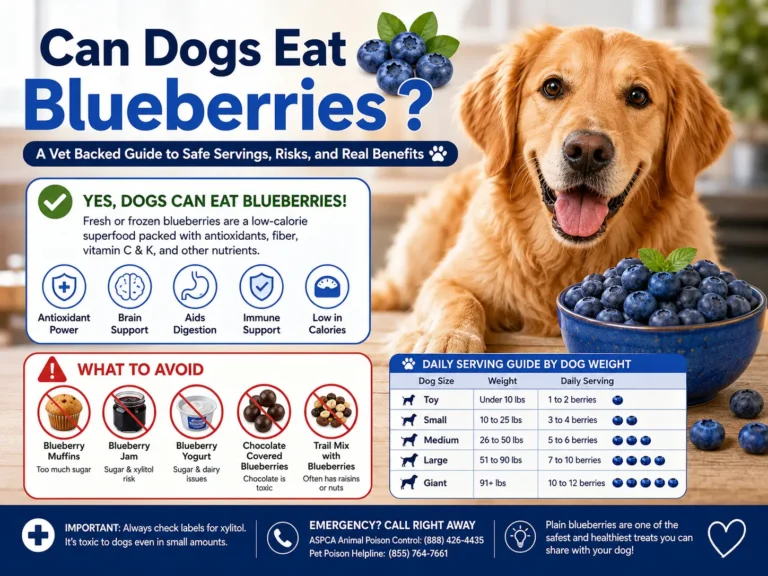
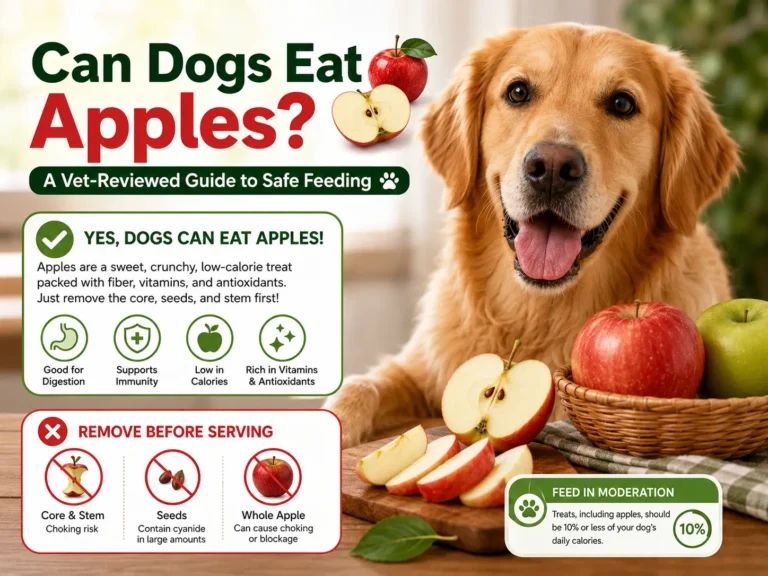
Blueberries are low in calories and packed with antioxidants. Plain cooked carrots or raw carrot sticks are crunchy, low-fat, and good for dental health. Apple slices with the seeds and core removed are a safe, sweet treat. Watermelon with the seeds and rind removed is hydrating and low-calorie. Plain cooked green beans work well for dogs watching their weight.
All of these should still be given in moderation and introduced slowly to watch for any individual sensitivity.
Can Dogs Eat Oranges? A Quick Comparison
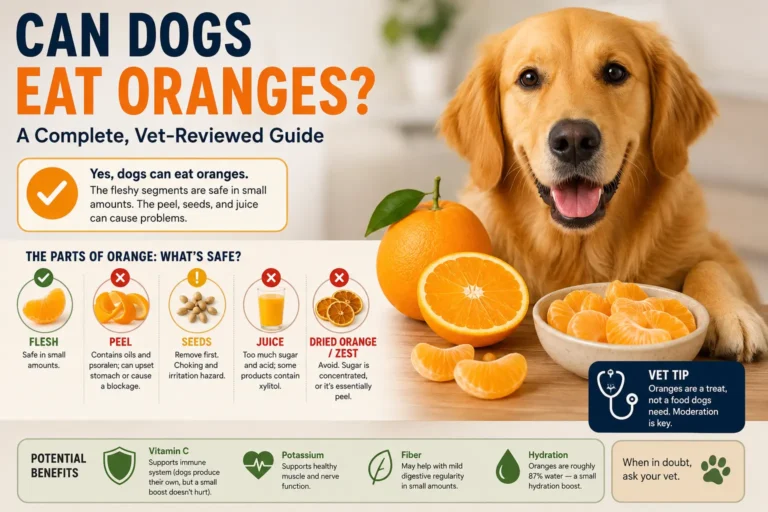
Since we are talking about fruit safety, it is worth answering a related question many dog owners ask. Yes, dogs can eat orange flesh in small amounts. Oranges are not toxic and provide vitamin C, though dogs make their own vitamin C internally and do not need it from food the way humans do.
The peel, seeds, and white pith of an orange are harder to digest and can cause stomach upset, somewhat similar to the skin concern with avocado. Citrus oils in the peel can also irritate a dog’s mouth and stomach. Compared to avocado, oranges are generally considered a lower-risk fruit to share, mainly because there is no equivalent to persin or a large dangerous pit involved.
Frequently Asked Questions About Dogs and Avocados
Can dogs eat avocado?
Yes, a small amount of plain, ripe avocado flesh is generally safe for most healthy adult dogs. The skin, pit, and leaves should always be avoided.
Can dogs eat avocado oil?
Yes, in small amounts. Avocado oil does not contain persin, but it is still high in fat, so moderation matters.
Can dogs eat avocado skin?
No. The skin contains more persin than the flesh and is difficult for dogs to digest.
Can dogs eat avocado flesh every day?
No. Even safe treats should stay under about 10 percent of a dog’s daily calories, and avocado’s fat content makes daily feeding risky, especially for dogs prone to pancreatitis.
My dog ate an avocado pit. What do I do?
Contact your veterinarian or an emergency animal hospital right away. A swallowed pit can cause a life-threatening intestinal blockage.
Are avocados dangerous for cats too?
Avocado flesh is considered low risk for cats in small amounts, similar to dogs, but the pit still poses a serious choking hazard for cats as well.
The Bottom Line: Can Dogs Eat Avocado Safely?
A small bite of plain avocado flesh is unlikely to harm a healthy dog. The skin, pit, leaves, and anything mixed into guacamole carry real risks that are not worth taking. If your dog has a history of pancreatitis, is overweight, or is a puppy, the safest choice is to avoid avocado altogether and reach for a lower-risk treat instead. When in doubt about what your dog ate or how much, your veterinarian or the ASPCA Animal Poison Control Center is always the right call to make.
Read out more
Written By Dr. Grace Mullen, DVM
Dr. Bradley Pierson, DVM, is a veterinarian with 15+ years of experience in small animal medicine, specializing in internal medicine and preventive care. A graduate of the University of Illinois and Fear Free Certified Professional, she writes to help dog owners navigate food safety at every life stage. She has also volunteered extensively in dog shelter care.

Reviewed By Dr. Lara Friedman, DVM
Dr. Lara Friedman, DVM, is a veterinarian with 6+ years of experience across hospital, clinic, and shelter medicine, specializing in canine nutrition and preventive care. A graduate of Colorado State University and a Fear Free Certified Professional®, she writes to help dog owners prevent diet-related health issues before they start. She shares her home with her dog, Duke.